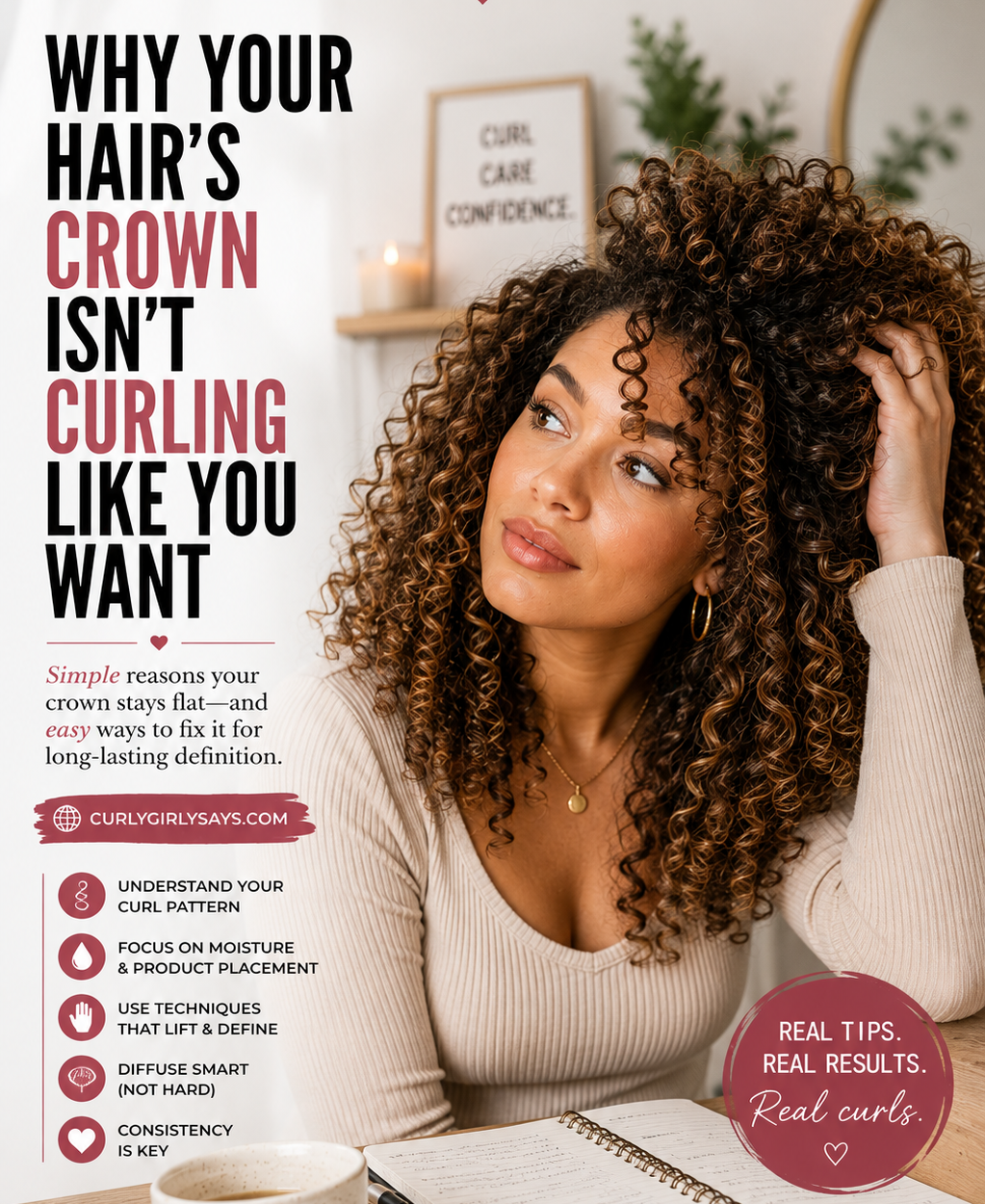

Twenty-five percent of curly-haired individuals report their crown area is the hardest part of their hair to get to curl consistently. That spot right on top of your head, where all your hard work seems to just… fall flat. You’ve put in the effort, used your favorite products, and the sides and back look bouncy, but your crown isn’t curling properly, leaving a bit of a disconnected look. It’s a common frustration, and thankfully, it’s also one that often has a straightforward fix once you understand what’s going on up there.
Getting your curls to behave uniformly, especially at the crown, is about understanding a few key factors that influence curl pattern and volume. We’ll walk through why this area can be so tricky and what you can do to encourage those curls to spring up and join the party.
It’s a common complaint for many with curly or textured hair: the crown isn’t curling as much as the rest of your hair. This spot can be stubbornly straight or just less defined, leading to frustration after wash day.
Compare at a Glance
This chart helps you choose the right products to encourage curl definition at your crown.
Swipe to compare →
| Product | Product Benefit | Application Area | Feel/Texture | Price Range |
|---|---|---|---|---|
| Bounce Curl Clarifying Shampoo | Removes buildup | Scalp & Roots | Deep clean, Gentle | $$ |
| Curlsmith Curl Quenching Conditioning Leave-In | Moisture, Light hold | All over, Roots | Lightweight, Not sticky | $$$ |
| Mielle Organics Styling Mousse | Hold & Volume | Damp Roots | Weightless | $ |
| Briogeo Don’t Despair, Repair! Deep Conditioning Mask | Nourish & Repair | Damaged strands | Restores elasticity | $$$ |
Why Your Crown Isn’t Curling: Common Culprits
It’s easy to feel like your hair has a mind of its own, especially when one section refuses to cooperate. When your crown isn’t curling, it’s usually due to a combination of factors, not just one. Understanding these can help you pinpoint the real issue for your hair.
First, consider genetics. Sometimes, the hair follicles at the top of your head are shaped slightly differently, leading to a looser or less defined curl pattern in that area. This isn’t something you can change, but you can certainly work with it. Second, the hair on your crown is often the most exposed to environmental factors like sun and friction, which can impact its health and ability to curl. Then there are factors like product application, styling techniques, and even how often you cleanse that can play a big role.
Product Buildup and Residue
One of the biggest reasons your crown isn’t curling well might be something you’re adding to it: product buildup. Over time, conditioners, styling creams, gels, and even natural oils can accumulate on your scalp and hair strands, especially if your cleansing routine isn’t robust enough. This buildup weighs down your hair, preventing the curls from forming and springing up. It also creates a barrier, stopping moisture from getting in and nutrients from reaching your hair.
If your curls at the crown feel greasy, dull, or just refuse to clump, it’s a strong sign that buildup is the issue. A clarifying shampoo is your best friend here, but it’s important to use it correctly to avoid stripping your hair too much. Don’t be afraid to really focus your shampoo on your scalp and the roots of your hair.
Our Recommended Clarifying Shampoo
- Bounce Curl Clarifying Shampoo: This shampoo uses activated charcoal and peppermint to give a deep clean without feeling overly harsh. It’s effective for removing stubborn buildup but still feels gentle enough for regular curly hair. You only need to use it every few weeks or whenever your hair feels weighed down.
Improper Product Application and Distribution
You might be using the right products but applying them in a way that doesn’t benefit your crown. Many people focus on the mid-lengths and ends, neglecting the roots and crown area. Or, conversely, you might be applying too much heavy product directly at the roots, which will also weigh them down.
The goal is even distribution with the right amount of product. For the crown, this often means applying lighter products or using less of your usual stylers. When applying, make sure your hair is soaking wet, as this helps the product spread easily and encourages curl clumps. Rake through gently, then use a scrunching or pulsing motion to encourage curl formation.
Styling Cream for Even Distribution
- Curlsmith Curl Quenching Conditioning Leave-In: This lightweight leave-in conditioner doubles as a styling cream and is great for providing moisture and light hold without heaviness. It’s easy to distribute through the hair and won’t make your crown feel sticky or greasy. Remember, a little goes a long way, especially at the roots.
Lack of Root Volume and Lift
Sometimes, your curls might be forming, but they’re just lying flat against your scalp, making it look like your crown isn’t curling. This is a volume issue, not necessarily a curl formation issue. Gravity is a strong force, especially for longer or denser hair. Techniques that lift the hair away from the scalp during drying can make a huge difference.
Root clipping is one of the most effective techniques for this. It involves placing small clips at the roots while your hair is still wet to create lift as it dries. Diffusing upside down or side to side can also help direct airflow to the roots, encouraging them to stand up. For more ideas on how to achieve this, you can check out our post on how to get more definition at your roots.
Styling Mousse for Root Lift
- Mielle Organics Styling Mousse: A mousse provides hold and volume without the weight of a cream or gel. This one offers a good balance, giving your roots the boost they need to stand up and show off their curls. Apply it directly to damp roots before diffusing or air drying.
Hair Health and Damage
The hair at your crown is often the most vulnerable. It can be prone to damage from heat styling, sun exposure, or even just constantly touching and manipulating it. Damaged hair struggles to hold its curl pattern because its structure is compromised. The cuticle may be lifted, leading to frizz and a lack of definition.
If your crown hair feels rough, dry, or has a different texture than the rest of your hair, damage might be the culprit. Regular deep conditioning treatments and protecting your hair from heat and sun are crucial. You might also want to look into products that help strengthen your hair’s protein bonds. Consistent, gentle care is key for healthy curl formation.
Deep Conditioner for Strengthening
- Briogeo Don’t Despair, Repair! Deep Conditioning Mask: This mask is a fan favorite for a reason. It’s packed with ingredients like B vitamins, rosehip oil, and algae extract to nourish and repair damaged strands. Using it once a week can help restore elasticity and strength, allowing your crown curls to bounce back.
Understanding Your Hair’s Porosity at the Crown
Hair porosity, which is how well your hair can absorb and retain moisture, can vary across your head. It’s not uncommon for the crown area to have a different porosity level than the hair at the nape of your neck or your temples. This means your crown might absorb products differently, or it might struggle to hold onto moisture, leading to less defined curls.
If your crown feels perpetually dry, it might have high porosity, meaning it absorbs moisture quickly but loses it just as fast. If it feels like products sit on top of your hair, it might be low porosity. Adjusting your product choices and application techniques based on the porosity of your crown can make a significant difference in how your crown isn’t curling.
Styling Techniques for Your Crown
Beyond products, how you style and dry your hair plays a massive role. If you typically flip your head over to style, make sure you’re still paying attention to the crown when upright. Micro-plopping with a T-shirt or microfiber towel at the roots can absorb excess water and help set the curl pattern without pulling it down. When diffusing, focus on lifting the roots and ensuring they are fully dry. Many people stop diffusing once the ends are dry, leaving the crown slightly damp, which can lead to flatness.
Consider techniques like finger coiling or brush styling for those stubborn sections at the crown. This gives a little extra encouragement for the curls to form properly. Remember, consistency is important; sometimes, it takes a few wash days of targeted care to see a noticeable improvement in an area where your crown isn’t curling.
The Picks
Here are the products worth reaching for — each one earns its spot for a reason.

Bounce Curl Clarifying Shampoo
This shampoo uses activated charcoal and peppermint to give a deep clean without feeling overly harsh. It’s effective for removing stubborn buildup but still feels gentle enough for regular curly hair. You only need to use it every few weeks or whenever your hair feels weighed down.

Curlsmith Curl Quenching Conditioning Leave-In
This lightweight leave-in conditioner doubles as a styling cream and is great for providing moisture and light hold without heaviness. It’s easy to distribute through the hair and won’t make your crown feel sticky or greasy. Remember, a little goes a long way, especially at the roots.
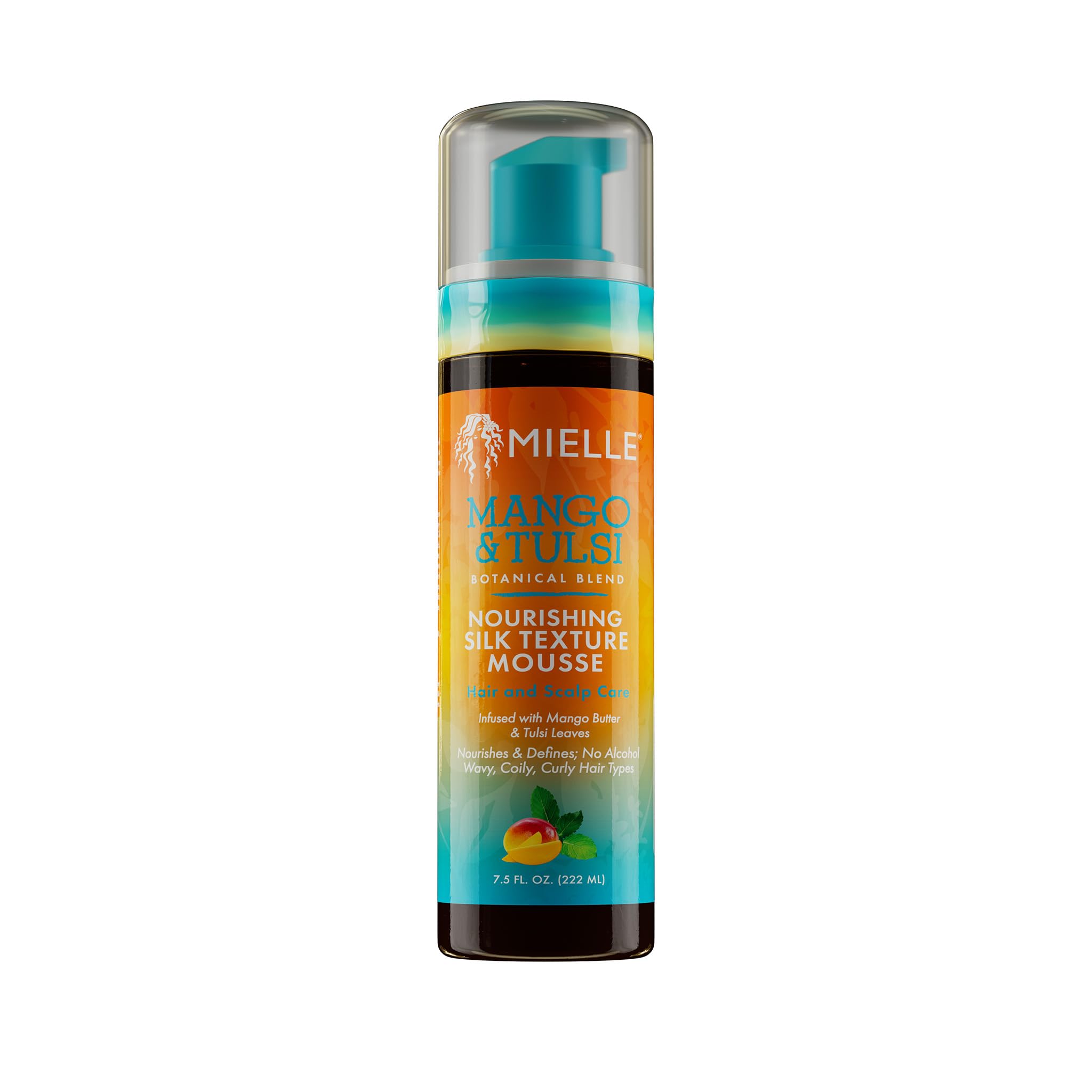
Mielle Organics Styling Mousse
A mousse provides hold and volume without the weight of a cream or gel. This one offers a good balance, giving your roots the boost they need to stand up and show off their curls. Apply it directly to damp roots before diffusing or air drying.

Briogeo Don’t Despair, Repair! Deep Conditioning Mask
This mask is a fan favorite for a reason. It’s packed with ingredients like B vitamins, rosehip oil, and algae extract to nourish and repair damaged strands. Using it once a week can help restore elasticity and strength, allowing your crown curls to bounce back.
Getting your crown to curl consistently might take a bit of experimentation, but it’s definitely achievable. By addressing issues like product buildup, refining your application, focusing on root lift, and nurturing hair health, you’ll be well on your way to a head of uniformly defined curls. If you only try one thing, I’d suggest really focusing on clarifying your scalp and roots and then ensuring you’re getting good lift while your hair dries.
Don’t get discouraged if the crown isn’t curling perfectly overnight. It’s a journey, and with a few targeted adjustments, you’ll soon see those top curls join the rest of your beautiful hair.
Frequently Asked Questions
This often happens because the hair at your crown is more exposed to friction, sun, and styling manipulation, which can lead to damage and a looser curl pattern. The hair underneath is more protected and can maintain its natural curl better.
Yes, genetics play a significant role. Hair follicles on different parts of your scalp can be shaped differently, leading to variations in curl patterns. Some people naturally have looser curls or straighter hair at the crown.
How often you clarify depends on your product usage and hair type. For most people, clarifying every 2-4 weeks is sufficient to prevent buildup. If you use a lot of heavy products or have an oily scalp, you might need to do it more frequently.
You don’t necessarily need completely different products, but you might need to adjust the amount or application. Using lighter stylers or less of your regular products on the crown, or focusing a root-lifting product there, can make a difference.


