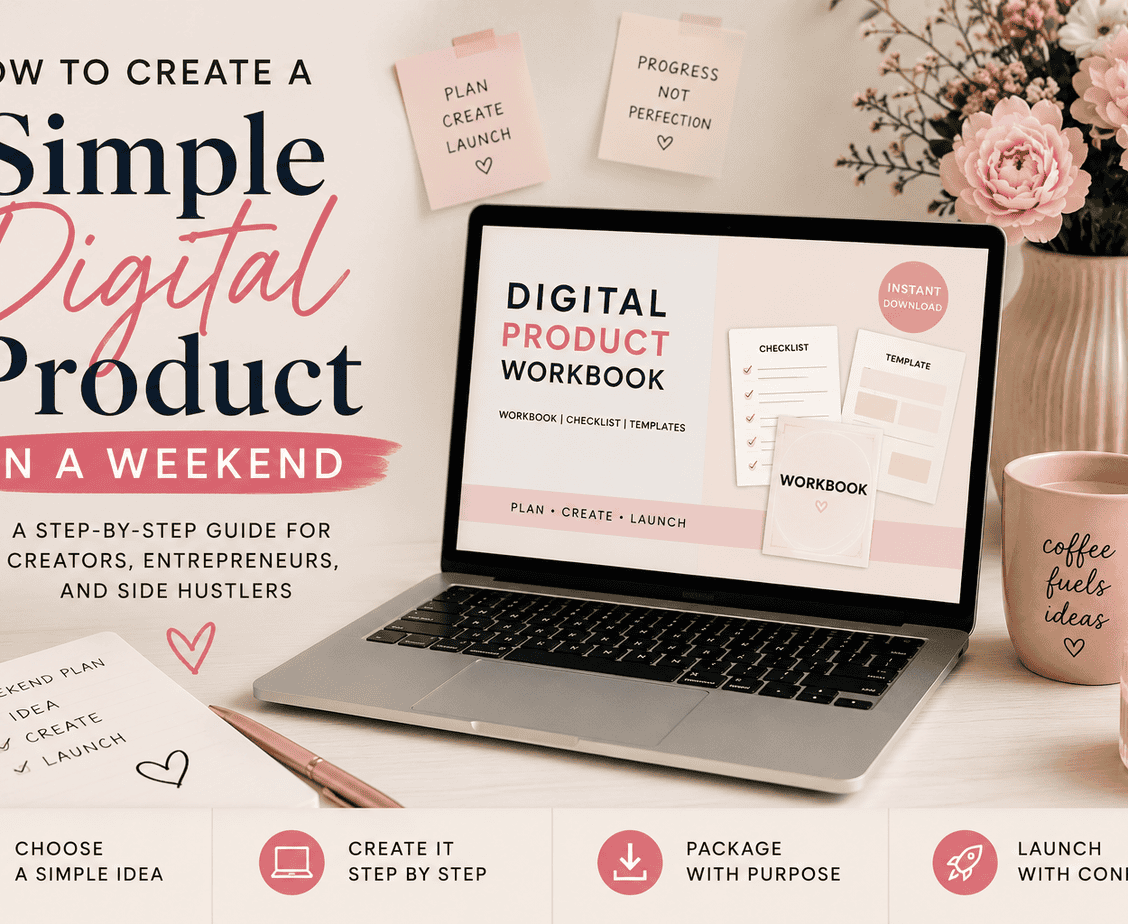

It’s easy to look at all the incredible digital products out there and feel like creating one yourself needs weeks, or even months, of focused work. I remember feeling that familiar wave of overwhelm, thinking my ideas had to be perfect right from the start.
But what if we could shift that a little? What if building something small, something truly useful, was possible in just a couple of days? It really can be, and often it’s starting simple that builds the confidence to do more.
My Experience
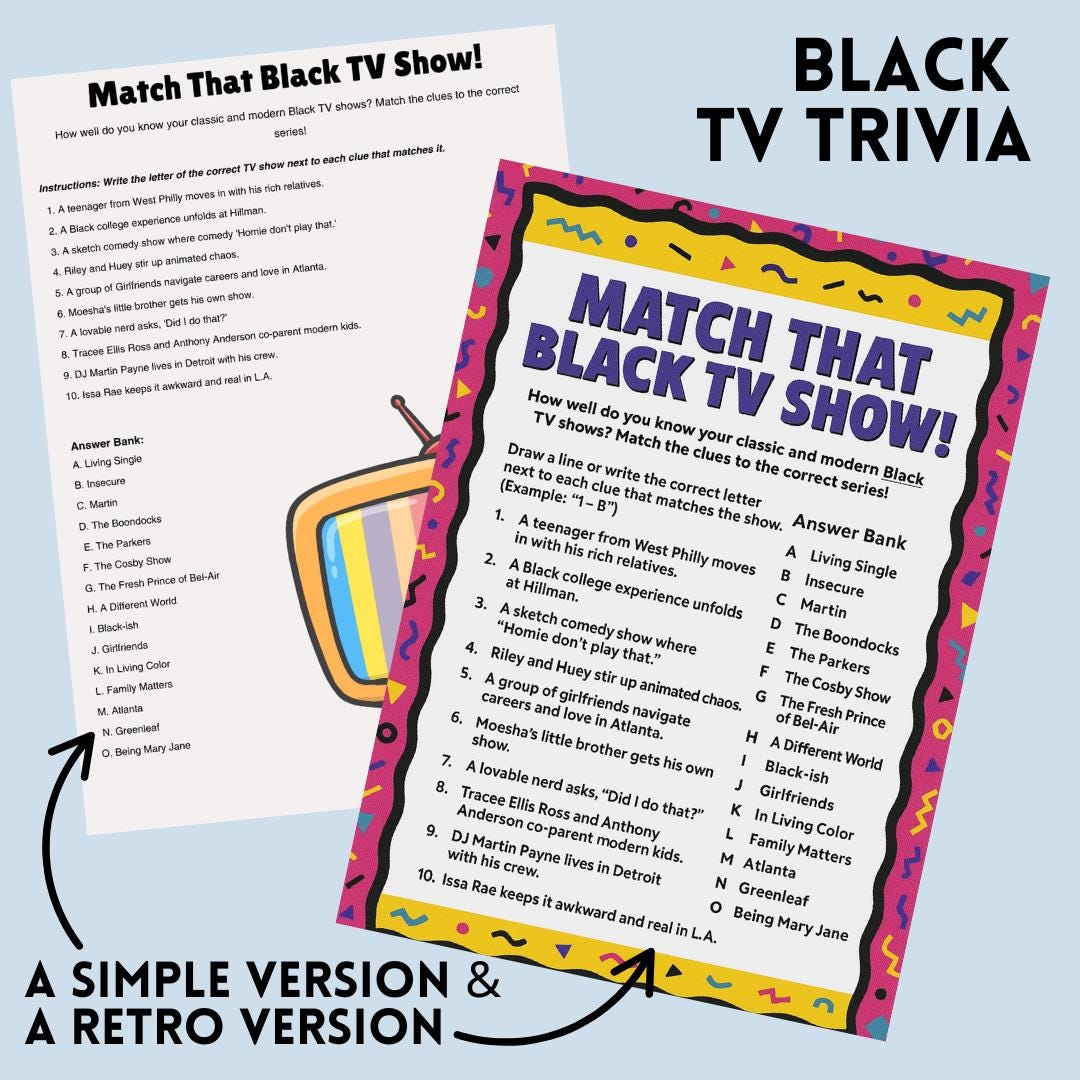
Black TV Show Trivia Game: 90s & 2000s Sitcoms (PDF Printable) – Etsy
I remember making this trivia set on a quiet Saturday when I was still mourning the idea that every project had to be a massive undertaking.
It taught me that a simple PDF based on something I already loved could actually find its way to people who valued it.
I’m sharing it here because it reminds me that your first digital product doesn’t need to be a complex course; it just needs to be finished.
The goal isn’t to build a perfect empire, but to prove to yourself that you can create something out of nothing.
Feel overwhelmed by digital products? Create a simple one this weekend. I’ll share my calm, step-by-step approach to get you started.
Day 1: Finding Your Simple Idea and Getting it Down
When you’re aiming to create something quickly, the trick isn’t to think bigger, it’s to think smaller. What’s one tiny problem you can solve for someone? Or one small piece of knowledge you can share?
I learned this the hard way trying to build a massive course first. It felt like walking through treacle. Now, I start by asking:
- What’s a common question I get asked?
- What’s one thing I know how to do that someone else might find tricky?
- Is there a resource I wish I had when I was starting out?
Once you have an idea, try to define it in just a sentence or two. Keep it focused and clear. This isn’t about writing a magnum opus; it’s about delivering quick value.
Day 1 Continued: Your Blueprint and First Draft
With your idea in hand, it’s time to map it out. Think of this as your simple skeleton. For example, if you’re making a checklist, what are the steps? If it’s a template, what sections does it need?
For something like a simple guide or checklist, you can use a tool like Lovable. It’s designed to help you create well-structured documents without getting bogged down in design, letting you focus on the content. Or, even just a simple document in Google Docs is perfect for this stage.
- Outline the main points or sections.
- Start writing the content for each section. Don’t worry about perfection, just get the ideas flowing.
- If it’s visual, like a simple Notion template or a set of prompts, start building the core structure.
- Take a break. Seriously. Stepping away helps you see things with fresh eyes later.
The goal here is a solid first draft, not a finished product.
Day 2: Refining, Designing, and Offering Your Product
Today is about polishing. Look at your first draft. Is it clear? Is it easy to understand? Check for any typos or awkward phrasing. Sometimes reading it aloud helps catch those little things.
Then, consider the presentation. This doesn’t mean you need to be a graphic designer. Simple formatting, clear headings, and a consistent look go a long way. If you’re using a tool like Lovable, much of this is handled for you, giving it a clean, professional feel without extra effort.
Making It Available
Once your product feels ready, it’s time to think about how someone can get it. There are platforms designed for selling digital products that make this process straightforward. They handle the payments and delivery for you. Gumroad, Thrivecart, or even a simple store setup on Kit can work beautifully for this.
You don’t need a grand launch. Just make it available, a simple link on your website or social media. See how people respond. You can always refine and expand it later.

Launch (Revised and Updated Edition): How to (Finally) Get Your Business Off the Ground and Take Off in the New Economy
This book offers a supportive framework for getting your ideas out there, without the usual overwhelm. It’s about making a difference with what you have.

The 1-Page Marketing Plan: Get New Customers, Make More Money, And Stand Out From The Crowd
A practical guide for simplifying your approach to reaching your audience, making the marketing feel less like a hurdle and more like a helpful map.

The Minimalist Entrepreneur: How Great Founders Do More With Less
This read helps reframe how you think about building, focusing on impact with fewer resources. It gently reminds you that you don’t need to do everything at once.
Creating something small, even in a weekend, is not about speed for speed’s sake. It’s about breaking through that feeling of being stuck and proving to yourself that you can bring an idea to life.
Start small, serve one person well, and let that quiet achievement be your guide for what comes next.
Frequently Asked Questions
What kind of digital product can I create in a weekend?
You can create simple products like checklists, short guides, basic templates (Notion, Canva), prompt packs for AI, or a short email sequence. The key is to keep it very focused on solving one small problem.
Do I need special software or design skills?
No, not at all. You can use free tools like Google Docs, Canva, or a platform like Lovable to create and format your product. Focus on clear content over elaborate design.
How do I know if my idea is good enough?
The best way to know is to start. Don’t aim for perfect, aim for useful. If it helps even one person, it’s good enough to begin. You can always ask for feedback and improve it later.
How do I price a product I made so quickly?
Consider the value it provides. Even a simple solution can be worth something. You can start with a low, accessible price and adjust as you gather feedback or add more to it. There’s no single right answer, just what feels fair for the value you’re offering.
Get Her Digital Era in your inbox
Weekly notes on building your digital era — quiet strategy, real lessons, no fluff.